Six fascinating death rituals from around the globe

While American funerals are often quite similar, different regions, cultures, and religions around the world approach death in varying, interesting ways. We’ve been reading about intriguing death rituals, both historic and modern, and we wanted to share some of our research with you. Have you heard of these before?

Famadihana: the turning of the bones

The Malagasy people in Madagascar take part in a death ritual called Famadihana, or the turning of the bones. In this ceremony, families exhume the bodies of their dead ancestors and re-clothe them in silk. They then participate in a lavish party, in which the family members dance to music with the exhumed bodies. Afterward, the bodies are buried once again. This practice, which takes place every few years, is considered an opportunity for the living to reconnect with the dead.

Buddha self-mummification

In a historic Japanese ritual, a group of Buddhist monks practiced what can only be considered a grueling process called self-mummification. The process was a long one: For years, monks would follow a strict diet that would rid them of body fat and toxify their remains, which decreased the odds of pests consuming their flesh after passing. In their final days, the dying monks sat in a tomb and waited for death. It’s thought that the process of self-mummification was an attempt at spiritual longevity after death.

Fantasy coffins

Leaving the physical world in a grandiose fashion is a sign of high status in Ghana, where residents are sometimes buried in fantasy coffins. These coffins – often tied to the decedent’s living profession – are nothing short of art. Coffins come in the form of everything from cars and airplanes to fish and turtles.

Memorial diamonds

Proof that death can, indeed, be beautiful: A handful of companies throughout the world will turn cremated ashes into lab-grown diamonds. The process involves procuring carbon from the remains and compressing it at very high temperatures to create a one-of-a-kind gem that can be displayed or worn as jewelry.

Tana Toraja funerals

In the Tana Toraja region of Indonesia, families save their money for some of the most elaborate funerals in the world. Throughout ceremonies that take place over the course of many days, families offer animals sacrifices as tributes to the deceased, and the horns of slaughtered buffalo are reserved as adornments for the family’s home. The entire ritual lasts 11 days, at which point the body is entombed in a cave, and a wooden effigy is positioned along the outside. This ritual is so important and expensive that families will often not have the means to perform it immediately after a death. In those cases, they will keep the decedent’s body in their own homes until they are prepared for the ceremonies, treating it as a living member of the family.

Tibetan sky burial

In one of the most unique death rituals in the world, Tibetan Buddhists offer the remains of their deceased to vultures. Because the ground in Tibet is so rocky, in-ground burial is difficult to achieve. Instead, many of the dead are traditionally cut into pieces and allowed to be eaten by scavengers. Tibetan Buddhists believe that this practice is an act of oneness with the world around them. 

April 13, 2026
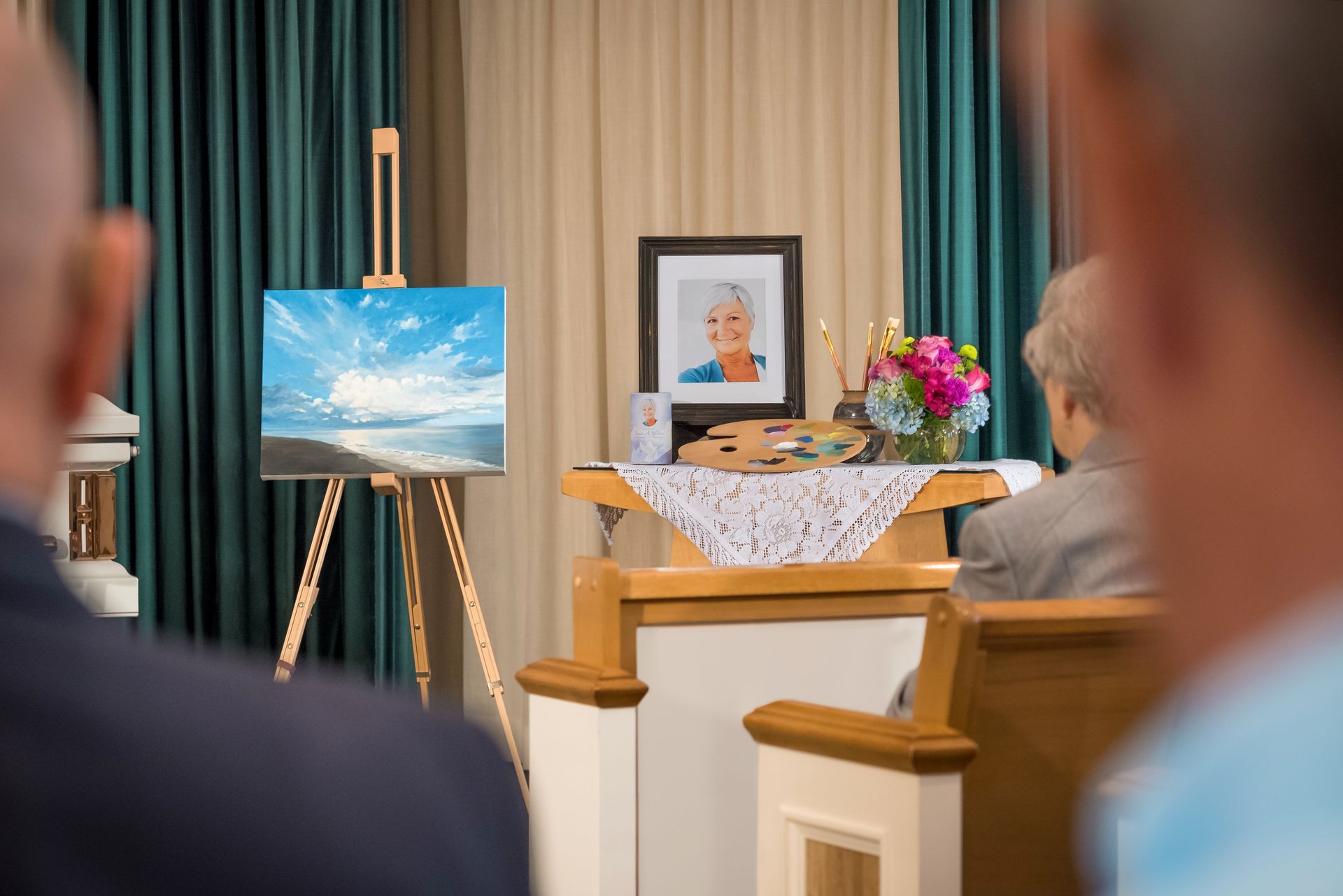
In recent years, the phrase “celebration of life” has become more common when families are planning services for a loved one. While many people have heard the term, there can still be confusion about what it truly means and how it differs from a traditional funeral. At its heart, a celebration of life is not about replacing tradition, but about offering a more flexible, personalized way to honor and remember a life. A celebration of life is a personalized service that focuses on honoring the unique story, personality, and legacy of the individual who has passed. While it can be held in a variety of locations, many families choose to gather in the comfort of a funeral home chapel, where they have both guidance and the ability to customize the experience. These services most often take place after cremation, which allows families more time to plan and create a meaningful tribute. However, every family’s preferences are different, and services can be arranged in whatever way feels most appropriate. No two celebrations of life are exactly the same, because no two lives are the same. One of the most meaningful aspects of a celebration of life is the ability to incorporate personal touches that reflect the life being honored, even within a chapel setting. Families may choose to include themed elements that represent a loved one’s passions, hobbies, or personality. This could be as simple as displaying favorite photos and memorabilia, or as unique as incorporating colors, music, or décor that reflect what they loved most in life. Memory tables, tribute videos, and customized music selections can all be seamlessly incorporated into a chapel service. Some families also invite guests to participate by sharing stories or bringing items that hold special meaning. This blend of personalization within a supportive, structured environment often provides both comfort and creativity during a difficult time. A celebration of life offers families the opportunity to gather in a familiar, supportive setting while creating a service that truly reflects their loved one. By combining the comfort of a chapel with the flexibility of personalization, it becomes a meaningful way to honor a life and share memories with those who matter most. There is no right or wrong way to plan a service. The most important thing is creating a space that feels genuine, supportive, and reflective of the person being remembered.
February 2, 2026
Inflation affects nearly every part of daily life, from groceries and utilities to health care and housing. One area that is often overlooked is funeral and cremation planning. Like most services, these costs tend to increase over time. Preplanning provides a thoughtful way to prepare while reducing both financial and emotional stress in the future. More people are choosing to make arrangements in advance, not only to ensure their wishes are clearly known, but also to help protect their families from rising costs and difficult decisions during an already emotional time. The Reality of Rising Costs Funeral and cremation services include many components influenced by inflation, such as professional care, facilities, transportation, materials, and regulatory requirements. As these expenses increase, waiting to make arrangements can result in higher costs for families who may be unprepared to manage them, both emotionally and financially. Planning ahead allows you to make decisions calmly and deliberately, rather than facing rushed choices during a time of loss. Addressing Today’s Prices One benefit many people appreciate about preplanning is the ability to address pricing in advance and reduce uncertainty about future costs. Preplanned arrangements may be funded in full or paid over time, giving you the flexibility to choose an option that fits your budget and personal situation. This approach helps make planning more approachable and manageable. To help protect pricing, arrangements are typically financially secured through full payment or an approved payment plan. This helps ensure that the services you choose today remain in place in the future, even as costs change. Reducing Financial Stress for Loved Ones One of the most meaningful benefits of preplanning is the consideration it shows for those you care about. When a death occurs, families are often required to make many decisions in a short amount of time. Having arrangements already in place removes much of that burden. By planning ahead, you relieve your loved ones from financial uncertainty and clearly document your wishes. This allows them to focus on honoring your life and supporting one another instead of worrying about costs or decisions. A Thoughtful Part of Long Term Planning Preplanning final arrangements is similar to creating a will or setting aside savings. It is an important step in long term planning. It gives you the opportunity to take control, ask questions, and make informed choices without pressure. Many people find comfort in knowing their plans are documented, their preferences are clear, and inflation is less likely to affect the value of the arrangements they have chosen. Peace of Mind for Today and Tomorrow Ultimately, preplanning is about peace of mind. It provides reassurance that your wishes are understood, your family is supported, and important details are handled thoughtfully. If you have been considering planning ahead, our team is here to share information, explain options, and answer questions whenever you are ready.  A simple conversation today can bring comfort and confidence for years to come.
January 13, 2026
Prepaid funeral plans are often misunderstood. While some people worry about cost, flexibility, or security, the truth is that funeral preplanning can offer peace of mind and financial protection when arranged through a reputable provider. Below are common myths about prepaid funeral plans—and the facts families should know. Myth 1: Your Money Is Better Off in the Bank Fact: Funeral costs increase over time. A prepaid funeral plan locks in today’s prices on many funeral services and merchandise, helping protect your family from inflation and future cost increases. Myth 2: You’ll Lose Your Money If a Funeral Home Closes Fact: Prepaid funeral plans are regulated by state law. Funds are typically placed in a trust or insurance policy, not held by the funeral home. If a provider closes, the funds can usually be transferred to another funeral home. Myth 3: Moving Makes Your Plan Useless Fact: Most prepaid funeral plans are transferable. If you relocate, your plan can often be moved to another funeral provider, ensuring your arrangements remain in place. Myth 4: Life Insurance Covers Funeral Expenses Fact: Life insurance payouts can take weeks or months, while funeral costs are due immediately. Prepaid funeral plans are specifically designed to cover final expenses at the time of need. Myth 5: The Plan Won’t Work Unless It’s Fully Paid Fact: Many funeral preplanning arrangements provide coverage as soon as payments begin, as long as the account stays current. Your selected services are typically guaranteed. Myth 6: Preplanning Means High-Pressure Sales Fact: Funeral preplanning should be educational and voluntary. Reputable providers focus on honoring your wishes—not selling unnecessary products. Why Prepaid Funeral Planning Makes Sense Locks in funeral costs Reduces financial stress on loved ones Ensures your wishes are clearly documented Protects against rising funeral expenses Prepaid funeral planning is a thoughtful way to support your family and take control of your final arrangements. Contact us today to get started.
By Shelly Zipperle January 8, 2026
Frequently-asked questions and answers about Veterans benefits.
More Posts »

More Resources & Support