Humor and grief: a letter from me to you

Today, I’d like to make a departure from the tone of our typical blog articles. Instead of writing about grief research or ways to lead a healthier life, I’d like to get a little bit personal.

First, an introduction: I’m Lindsey. I’ve been writing these blog posts for about a year now.

I came into this job several months ago, not from a history interacting with funerals, but from a history interacting with content. Having curated, written, and edited articles for several brands in the past, I was excited for the opportunity and challenge of attempting to connect with an online audience in this topic area that was so foreign to me.

Embarking on this new adventure, I determined that I would be open to trying new things ... things that seemed weird or unnatural, even. That’s what led me, after a couple of months on the job, to try posting humorous content on our Facebook page -- a move I made with some trepidation, considering that our industry is naturally so focused on soothing those who have experienced great loss.

It started back in March of this year with a comical cartoon I stumbled upon online. The illustration  is of a group of mourners at a cemetery standing next to a square-shaped casket awaiting interment. The ground beside the casket has been dug up, but not in a square shape. Instead, the hole is circular. One of the mourners is saying, “Well, he never fit in, so this is how he wanted to be remembered.”

I posted the image on Facebook, aware that our audience might not be ready to accept a humorous message from our company. But, as I said earlier, I was determined to at least try.

What I discovered from posting that cartoon and several subsequent funny images -- a man on his deathbed requesting to be buried with an elephant bone to confuse future archaeologists, vegetables crying at an onion’s funeral, what happened when Picasso was a mortician for a day -- was that not only is our audience mostly OK with humor as it relates to death and grief, they actually seem to love it.

Since I began working with Newcomer, my five most successful Facebook posts have been funny ones. The best one so far? A cartoon featuring the regrettable aftermath of a corn cob’s cremation.

Now, I look forward to the day of the week, every week, when my humor posts go live for our audience to see. (That day of the week, by the way, is Thursday … in case you’re interested in following  the future of these posts.) I’m excited each time somebody likes or shares one.

I’ve done some thinking about why humor, of all things, would perform well on a funeral home’s social media site. One reason is certainly because of the venue; if the funny videos and images in my news feed are any indication, Facebookers love humor. But I think there may be more to the success of those posts than their natural potential to go “viral.”

In this discussion, one particular story comes to mind: When I was much younger, my good friend’s mother passed away. She’d had a long battle with cancer, and though her death was not a surprise, that loss was huge for many. My friend, who had cared for and comforted his mother throughout the end of her life, was certainly mournful. But shortly after his mother’s passing, he started to crack jokes about it.

My reaction to his attempts at humor after such a huge loss was, at first, discomfort. Wasn’t it disrespectful to laugh? Didn’t laughing somehow diminish the gravity of the situation?

Over time, and having experienced several great losses of my own, I’ve come to understand that what my friend was doing made a lot of sense. It was healthy, even. At times when events in my life have been the most difficult, humor has been an indispensable comfort. Poking fun at myself for the circumstances surrounding a breakup, dissolving into fits of giggles when my stress has overwhelmed me, and even, somehow, finding a way to laugh about the way my grandpa wore his baseball caps while struggling with Alzheimer’s disease … these moments of joy that punctuated such palpable sadness helped me cope. They helped me see that something good could be on the other side of my circumstances.

Which brings me back to today, as I spend a few moments looking at my company’s Facebook data and notice, once again, that our most recent humorous post has far surpassed all other recent posts in popularity. I like to imagine that this one, along with the others, has reached at least one grieving person and allowed her to find a moment of joy. In reality, so much of our lives are outside of our control, but if we can find ways to laugh about what’s hard or what we don’t understand, I think we can probably conquer almost anything.

Thank you for laughing and for allowing me to laugh with you.

We’re always interested in hearing what you think about the content we post here and on Facebook. If you have ideas or suggestions, please reach out. You can send us a message over on Facebook.


April 13, 2026
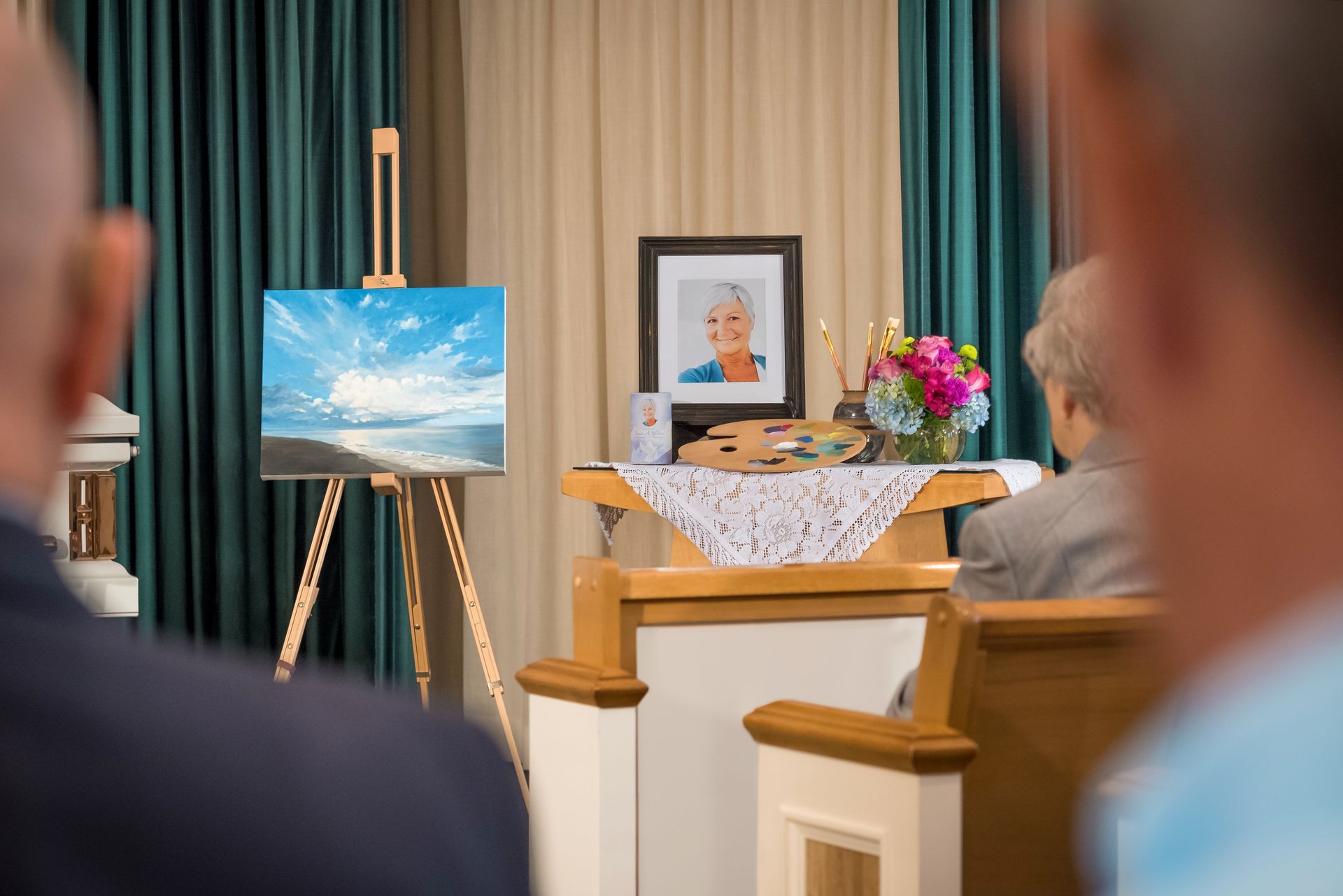
In recent years, the phrase “celebration of life” has become more common when families are planning services for a loved one. While many people have heard the term, there can still be confusion about what it truly means and how it differs from a traditional funeral. At its heart, a celebration of life is not about replacing tradition, but about offering a more flexible, personalized way to honor and remember a life. A celebration of life is a personalized service that focuses on honoring the unique story, personality, and legacy of the individual who has passed. While it can be held in a variety of locations, many families choose to gather in the comfort of a funeral home chapel, where they have both guidance and the ability to customize the experience. These services most often take place after cremation, which allows families more time to plan and create a meaningful tribute. However, every family’s preferences are different, and services can be arranged in whatever way feels most appropriate. No two celebrations of life are exactly the same, because no two lives are the same. One of the most meaningful aspects of a celebration of life is the ability to incorporate personal touches that reflect the life being honored, even within a chapel setting. Families may choose to include themed elements that represent a loved one’s passions, hobbies, or personality. This could be as simple as displaying favorite photos and memorabilia, or as unique as incorporating colors, music, or décor that reflect what they loved most in life. Memory tables, tribute videos, and customized music selections can all be seamlessly incorporated into a chapel service. Some families also invite guests to participate by sharing stories or bringing items that hold special meaning. This blend of personalization within a supportive, structured environment often provides both comfort and creativity during a difficult time. A celebration of life offers families the opportunity to gather in a familiar, supportive setting while creating a service that truly reflects their loved one. By combining the comfort of a chapel with the flexibility of personalization, it becomes a meaningful way to honor a life and share memories with those who matter most. There is no right or wrong way to plan a service. The most important thing is creating a space that feels genuine, supportive, and reflective of the person being remembered.
February 2, 2026
Inflation affects nearly every part of daily life, from groceries and utilities to health care and housing. One area that is often overlooked is funeral and cremation planning. Like most services, these costs tend to increase over time. Preplanning provides a thoughtful way to prepare while reducing both financial and emotional stress in the future. More people are choosing to make arrangements in advance, not only to ensure their wishes are clearly known, but also to help protect their families from rising costs and difficult decisions during an already emotional time. The Reality of Rising Costs Funeral and cremation services include many components influenced by inflation, such as professional care, facilities, transportation, materials, and regulatory requirements. As these expenses increase, waiting to make arrangements can result in higher costs for families who may be unprepared to manage them, both emotionally and financially. Planning ahead allows you to make decisions calmly and deliberately, rather than facing rushed choices during a time of loss. Addressing Today’s Prices One benefit many people appreciate about preplanning is the ability to address pricing in advance and reduce uncertainty about future costs. Preplanned arrangements may be funded in full or paid over time, giving you the flexibility to choose an option that fits your budget and personal situation. This approach helps make planning more approachable and manageable. To help protect pricing, arrangements are typically financially secured through full payment or an approved payment plan. This helps ensure that the services you choose today remain in place in the future, even as costs change. Reducing Financial Stress for Loved Ones One of the most meaningful benefits of preplanning is the consideration it shows for those you care about. When a death occurs, families are often required to make many decisions in a short amount of time. Having arrangements already in place removes much of that burden. By planning ahead, you relieve your loved ones from financial uncertainty and clearly document your wishes. This allows them to focus on honoring your life and supporting one another instead of worrying about costs or decisions. A Thoughtful Part of Long Term Planning Preplanning final arrangements is similar to creating a will or setting aside savings. It is an important step in long term planning. It gives you the opportunity to take control, ask questions, and make informed choices without pressure. Many people find comfort in knowing their plans are documented, their preferences are clear, and inflation is less likely to affect the value of the arrangements they have chosen. Peace of Mind for Today and Tomorrow Ultimately, preplanning is about peace of mind. It provides reassurance that your wishes are understood, your family is supported, and important details are handled thoughtfully. If you have been considering planning ahead, our team is here to share information, explain options, and answer questions whenever you are ready.  A simple conversation today can bring comfort and confidence for years to come.
January 13, 2026
Prepaid funeral plans are often misunderstood. While some people worry about cost, flexibility, or security, the truth is that funeral preplanning can offer peace of mind and financial protection when arranged through a reputable provider. Below are common myths about prepaid funeral plans—and the facts families should know. Myth 1: Your Money Is Better Off in the Bank Fact: Funeral costs increase over time. A prepaid funeral plan locks in today’s prices on many funeral services and merchandise, helping protect your family from inflation and future cost increases. Myth 2: You’ll Lose Your Money If a Funeral Home Closes Fact: Prepaid funeral plans are regulated by state law. Funds are typically placed in a trust or insurance policy, not held by the funeral home. If a provider closes, the funds can usually be transferred to another funeral home. Myth 3: Moving Makes Your Plan Useless Fact: Most prepaid funeral plans are transferable. If you relocate, your plan can often be moved to another funeral provider, ensuring your arrangements remain in place. Myth 4: Life Insurance Covers Funeral Expenses Fact: Life insurance payouts can take weeks or months, while funeral costs are due immediately. Prepaid funeral plans are specifically designed to cover final expenses at the time of need. Myth 5: The Plan Won’t Work Unless It’s Fully Paid Fact: Many funeral preplanning arrangements provide coverage as soon as payments begin, as long as the account stays current. Your selected services are typically guaranteed. Myth 6: Preplanning Means High-Pressure Sales Fact: Funeral preplanning should be educational and voluntary. Reputable providers focus on honoring your wishes—not selling unnecessary products. Why Prepaid Funeral Planning Makes Sense Locks in funeral costs Reduces financial stress on loved ones Ensures your wishes are clearly documented Protects against rising funeral expenses Prepaid funeral planning is a thoughtful way to support your family and take control of your final arrangements. Contact us today to get started.
By Shelly Zipperle January 8, 2026
Frequently-asked questions and answers about Veterans benefits.
More Posts »

More Resources & Support